
Academic Pathways
Academic
Pathways
Discover Your Passion. Design Your Path.
Academic Pathways are an optional opportunity for Upper School students to: develop a focused area of study; create a portfolio of original work; deeply engage with Northwest values through experiential learning; and obtain formal recognition on their high school diploma upon graduation.
Students explore meaningful areas of study through interdisciplinary coursework, scholarly inquiry, and real-world experiences. Upon completing a pathway, students earn a diploma distinction that recognizes their dedication and achievement.
Each pathway encourages students to build expertise in a subject they are passionate about while connecting learning across disciplines and applying their knowledge through authentic experiences.

Every Pathway Includes
Three core components guide every Academic Pathway.
Foundations
Build knowledge and skills through pathway coursework that supports your chosen area of study.
Students complete approved coursework that develops the foundational knowledge, skills, and methods needed for their pathway. Course requirements vary by pathway.
Scholarly Connections
Demonstrate interdisciplinary thinking by connecting subjects through projects and research.
Students complete the required Humanities 11 (11th grade) Research Project along with additional scholarly work that demonstrates meaningful connections across disciplines and reflects their chosen pathway.
Experiences
Apply learning beyond the classroom through experiences that develop leadership, skills, and real-world understanding.
Students participate in authentic experiences that extend learning beyond coursework while building leadership, professional skills, and practical experience related to their pathway.
Academic Pathway Options
Develop your artistic voice through creative exploration, technical skill, and meaningful visual communication while preparing for artistic and professional opportunities.
Our Philosophy
The Excellence in the Visual Arts pathway is designed for students committed to pursuing artistic excellence through advanced technical and conceptual development. Students explore visual art as a powerful form of communication, emphasizing creativity, critique, reflection, and artistic growth. Students develop the skills and confidence to create and present meaningful work.

Create Meaning
Explore how visual art communicates ideas, stories, and perspectives.

Find Your Voice
Develop a unique artistic style through exploration and reflection.

Build Skills
Strengthen technical abilities through practice, critique, and creative growth.

Practice
Prepare for artistic opportunities through portfolio development and presentation.
Essential Questions
Students in the Excellence in the Visual Arts pathway explore these essential questions through coursework, scholarly connections, and hands-on experiences.
- How does visual art create meaning and communicate ideas?
- How can you develop your unique artistic voice?
- How do artists strengthen technical skills and creative expression?
Explore the connections between science, society, and the environment while developing the knowledge and skills to create a more sustainable future.
Our Philosophy
The Environmental Sustainability pathway prepares students to deepen their understanding of the environment through an interdisciplinary study of ecological, social, economic, and human systems. Students explore sustainability through both scientific and humanities-based perspectives while developing the knowledge and analytical skills needed to understand environmental change.

Understand Systems
Explore how ecological, social, and economic systems connect and depend on one another.

Investigate Science
Study the scientific principles that shape Earth's changing environmental systems.

Create Solutions
Apply science and critical thinking to address environmental challenges.

Build a Better Future
Advocate for sustainable solutions that support communities and the planet.
Essential Questions
Students in the Environmental Sustainability pathway explore these essential questions through coursework, scholarly connections, and hands-on experiences.
- How do ecological, social, and economic systems connect?
- What scientific principles explain how Earth's environmental systems function?
- How can science create solutions for climate change and environmental challenges?
Develop a deeper understanding of cultures, languages, and global issues while building the knowledge and skills to engage thoughtfully in an interconnected world.
Our Philosophy
The Global Perspective pathway prepares students to deepen their understanding of global issues through the study of languages, cultures, experiential learning, and travel. Students explore how historical, cultural, political, and economic forces shape societies while reflecting on their own perspectives and responsibilities in an interconnected world.

Explore Cultures
Develop a deeper understanding of diverse cultures, traditions, and global perspectives.

Learn Languages
Build language skills that strengthen communication and cultural understanding.

Build Connections
Engage across cultures through collaboration, travel, and shared experiences.

Think Globally
Examine global issues while becoming an informed and responsible global citizen.
Essential Questions
Students in the Global Perspective pathway explore these essential questions through coursework, scholarly connections, and hands-on experiences.
- What does it mean to be a thoughtful and responsible global citizen?
- How do language, culture, and identity shape our understanding of others?
- How do global systems influence communities, collaboration, and our future?
Develop your artistic voice through performance, creativity, and collaboration while building the skills to excel on stage and beyond.
Our Philosophy
The Excellence in the Performing Arts pathway is designed for students committed to developing their artistic voice and advancing their craft through dance, music, or theatre. Students explore the performing arts as both cultural expression and professional practice while strengthening technical skills, creativity, and artistic confidence.

Find Your Voice
Develop a unique artistic voice through creativity, performance, and reflection.
Advance Your Craft
Strengthen technical skills through dedicated practice and artistic growth.

Express Identity
Explore how performance reflects culture, identity, and lived experiences.

Perform Professionally
Prepare for careers through performance, leadership, and collaboration.
Essential Questions
Students in the Excellence in the Performing Arts pathway explore these essential questions through coursework, scholarly connections, and hands-on experiences.
- How can you develop your artistic voice and creative expression?
- What does it mean to grow as a skilled performing artist?
- How can performance communicate identity, culture, and meaningful stories?
Explore how technology shapes our lives, communities, and future while learning to design thoughtful, user-centered solutions through creativity, critical thinking, and real-world problem solving.
Our Philosophy
Grounded in user-centered design and ethical inquiry, the Technology and Society pathway explores how technology is designed, built, and used to address real-world challenges. Students examine how technology shapes individuals, communities, and society while using computational and creative tools to develop thoughtful, human-centered solutions.

Understand Tech
Explore how technology works and influences people, communities, and everyday modern life.

Design Solutions
Create thoughtful, user-centered technologies that solve authentic real-world challenges creatively.

Think Critically
Evaluate technology through ethics, inquiry, reflection, and responsible decision making.
Build the Future
Use creativity and computation to shape innovative technologies with meaningful human impact.
Essential Questions
Students in the Technology and Society pathway explore these essential questions through coursework, scholarly connections, and hands-on experiences.
- What is technology, and how does it shape our lives, communities, and choices?
- How can technology help us understand and solve real-world problems?
- How can we design technology that centers users and human needs?
Sample Pathway
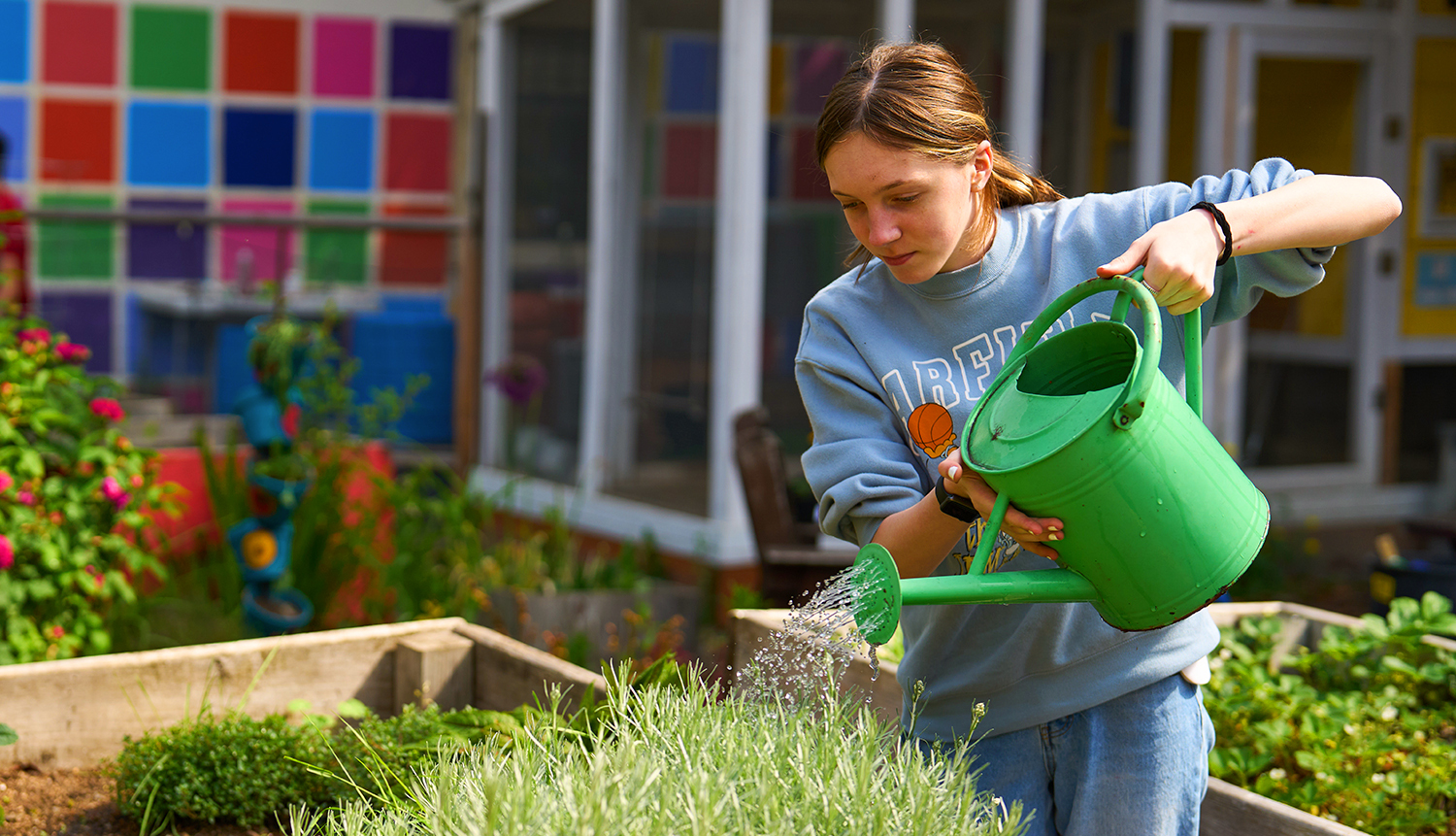
Environmental Sustainability Areas of Focus
The Environmental Sustainability pathway explores the connections between environmental, social, economic, and human systems. Through scientific inquiry and interdisciplinary learning, students examine how natural systems function, how they change over time, and how human decisions shape the world around us.
Students develop the knowledge and analytical skills needed to understand environmental challenges while exploring sustainable solutions at local, regional, and global scales.
Foundations Courses
Candidates complete three pathway courses, earning a B or higher in each. Environmental Systems Analysis is required, along with two additional approved courses from science, humanities, or environmental studies.
Coursework may include:
- Environmental Systems Analysis
- Advanced Science courses
- Humanities or Environmental Studies electives
Scholarly Connections
Students complete the required Humanities 11 Research Project along with at least three additional scholarly works that demonstrate interdisciplinary inquiry related to environmental sustainability.
Examples may include:
- Mathematics or science projects
- Humanities or visual arts projects
- Computer science or performing arts projects
Experiences
Students participate in experiences beyond the classroom that provide practical learning while developing leadership and professional skills. These opportunities allow students to apply their knowledge through meaningful environmental action.
Examples include:
- Climate Action Team leadership
- NWS Farm and Garden projects
- Outdoor Program leadership
- Sustainability internships or community initiatives
Coursework Example
| Year | Example Coursework |
|---|---|
| 10 | Climate Action |
| 12 | Environmental Systems Analysis |
| 12 | Advanced Biology |
Course selections may vary based on a student's interests, goals, and approved pathway plan.
Explore the roots of social injustice while developing the knowledge, leadership, and collaboration skills to create meaningful change in your community and beyond.
Our Philosophy
The Social Justice and Community Engagement pathway empowers students to better understand the historical and systemic roots of injustice, inequality, and violence. Through interdisciplinary learning, students strengthen their capacity for social, political, and historical analysis while developing leadership, collaboration, and critical thinking skills.
Study History
Understand the historical roots of injustice and how change happens over time.
Identity & Power
Explore how identity, power, and perspective shape justice and belonging.
Create Change
Develop leadership skills to create meaningful change in communities.
Real Learning
Apply learning beyond the classroom through authentic community experiences.
Essential Questions
Students in the Social Justice and Community Engagement pathway explore these essential questions through coursework, scholarly connections, and hands-on experiences.