Since she joined The Northwest School in 2016 as Director of Dining Services, Bethany Fong's approach to overseeing the on-campus Dining program has been guided by a simple principle: "Food should be rooted in who we are as The Northwest School and enjoyed in community," she says.
Northwest's wildly popular Dining program is one of the highlights of daily life on campus. Every day, everyone - boarding and day students, and teaching and administrative faculty - take a break from classrooms, meetings, and tasks to gather in the modern Dining Hall and break bread together. Animated conversations ebb and flow as the entire community enjoys delicious and nutritious meals that have been carefully prepared by Bethany and her talented team.
From the very beginning, campus life at Northwest has been characterized by a palpable sense of community, and especially around sharing food together.
"The Dining Program is very community oriented," notes Bethany, "and we consistently emphasize sustainability, diversity, and supporting our local food system."
Indeed, the menu varies significantly from day to day, with a dizzying array of protein, salad, vegetable, soup, and grain choices: yakisoba and stir-fried vegetables one day, Korean chicken or golden curry the next, pasta primavera and Caesar salad the day after, wild salmon and roasted veggies the following day... the delectable list goes on.
And there are always thoughtful options for those who have specific dietary preferences or restrictions.
"The menu is intentionally diverse," says Bethany. "It is designed to balance familiarity with exploration and discovery, and represent the many traditions and ways that people eat within the school. It also reflects the diverse city that we live in and our global perspective. It's a reflection of this Northwest community - we are a diverse community of eaters from different cultural backgrounds, dietary preferences, and lifestyles." And the Dining Program encourages students and faculty alike to expand their palates and occasionally consider alternative menu choices. "There are days when we are completely plant-based, because it is representative of how some people in our community eat, while also being related to sustainability and a much lower carbon footprint than meat and poultry," she adds.
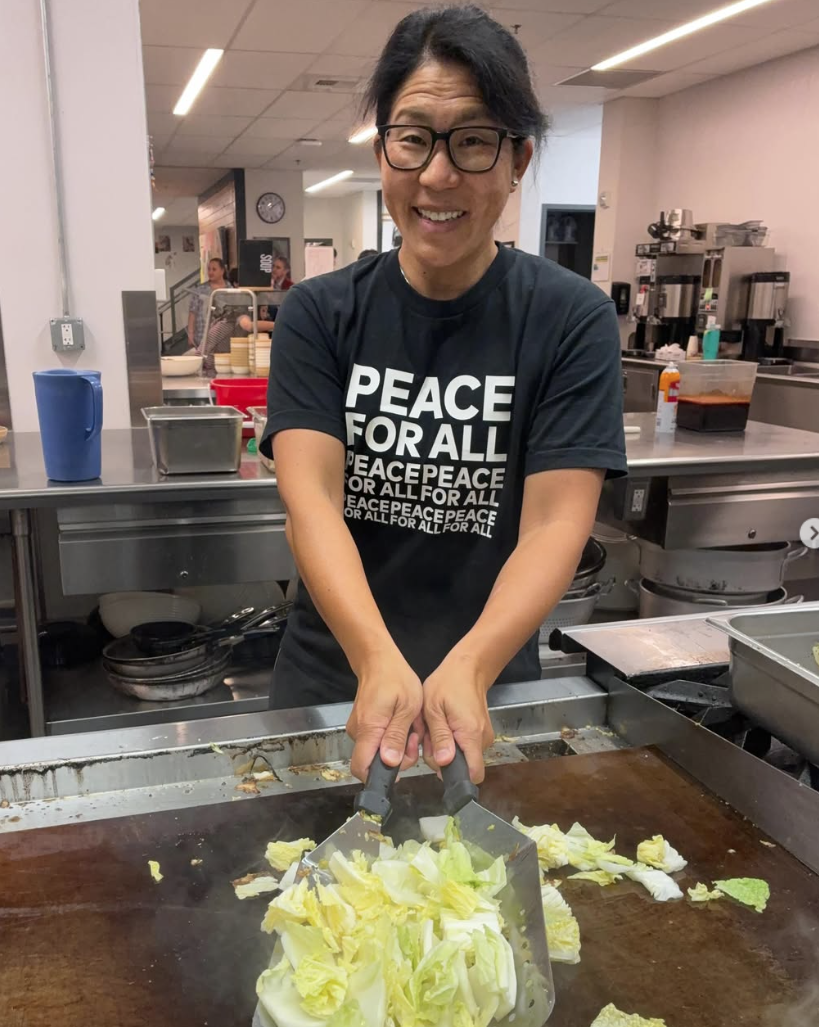
Originally from Hawai'i, Bethany holds an Associate’s degree in Culinary Arts (Johnson & Wales University), a Bachelor’s degree in Food and Nutrition Science (Seattle Pacific University), and a certificate in Dietetics (University of Washington). She previously worked as a registered dietician at the Tilth Alliance, an organization that works in community with Washington farmers, gardeners and eaters to build a sustainable, healthy and equitable food future.
This experience clearly guides her current efforts to cultivate intentionality around the food items that she prioritizes, purchases, and prepares for the Northwest community.
"We try to prioritize local vendors as much as possible. Almost 100% of our baked goods are from Seattle," she states. Even the potato chips, bread, tortilla chips are sourced from local Washington companies. "Our milk and dairy products - and almost all our eggs - they are all local."
In addition to supporting local farmers, growers, and food systems, this intentionality reflects Northwest's commitment to environmental stewardship and sustainability. "The fewer miles that our food needs to travel, the better it is for us and for the environment - it's a smaller carbon footprint," she notes.
Food should be fun and it should be enjoyed. It is a shared experience for all grades and all faculty.
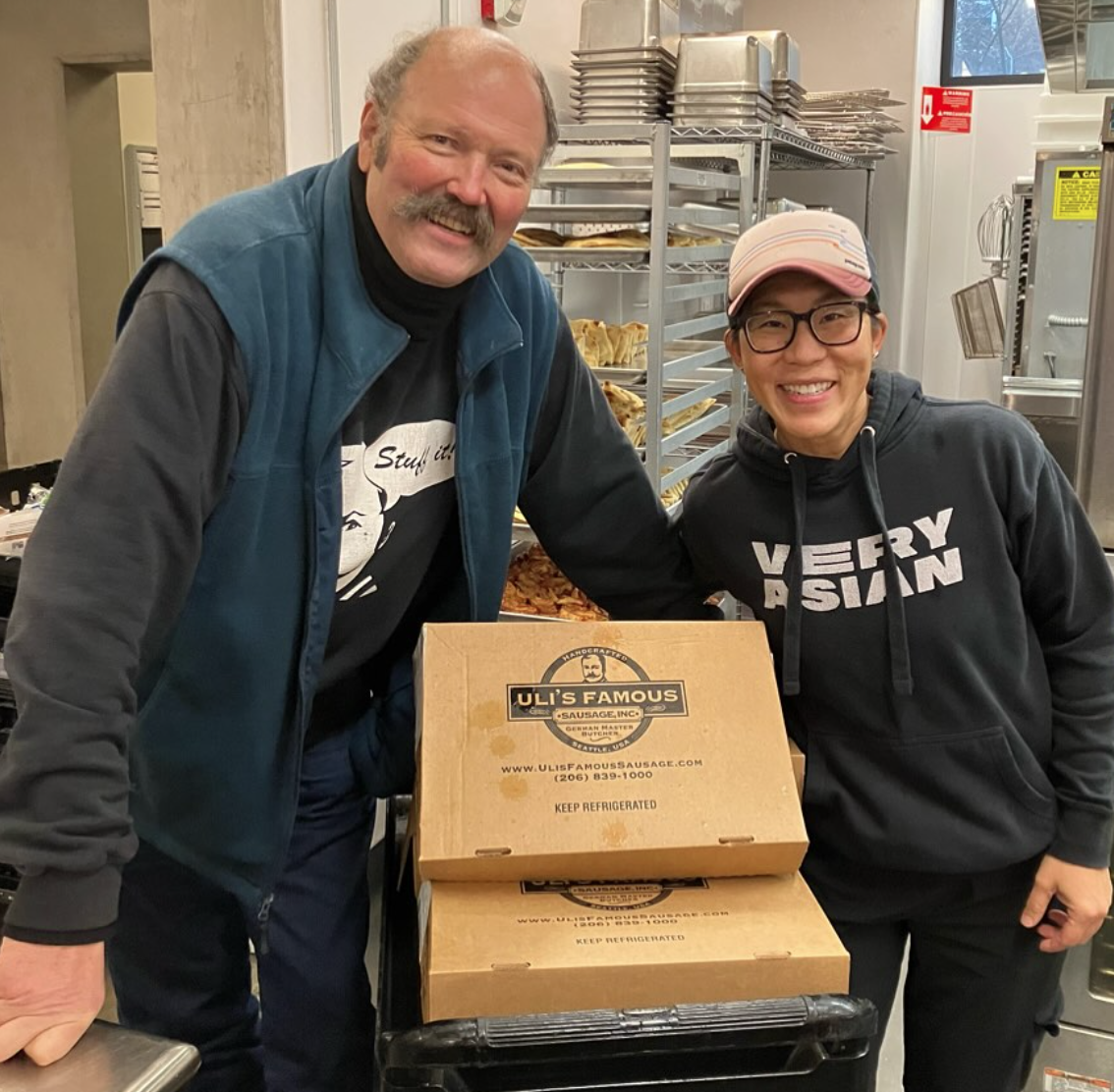
And it doesn't stop there. Bethany explains how ethical and sustainable food practices are grounded in community building. "We build relationships with our suppliers," she says. "So yes, it's definitely about the product. But it is also about the people involved in every step of the process - and investing in meaningful and authentic relationships with the individuals who are involved in food production and procurement. This is the ethical and global lens through which we engage with food systems: Respecting everyone involved - from growers to harvesters to vendors to delivery drivers."
This intentionality can also have unintended and surprising benefits: "This gives us control over the ingredients that we source and also helps build trust with producers." As the nation grappled with a damaging cyclospora outbreak this past summer, Northwest's food program remained untouched by concerns around lettuce and leafy greens. "All summer, I have sourced locally grown lettuce and so we have avoided the whole cyclospora phenomenon," shares Bethany. "I have 100% confidence in our Skagit Valley farms that their produce is safe, fresh, and healthy."
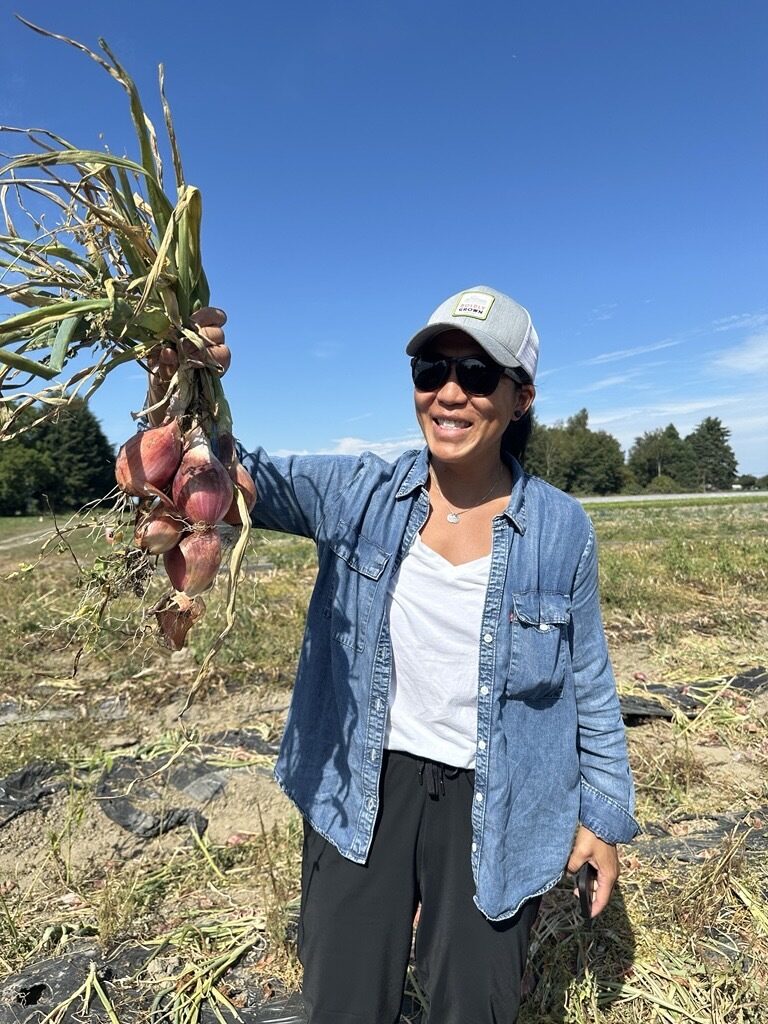
At Northwest, engaging with food also offers the opportunity for education about ingredients, food systems, growing practices, and broader choices about food cultivation and distribution. A lot of this is largely due to Bethany's unique approach to operating the Dining program.
For instance, she organizes annual food tours to some of her vendors and suppliers. "It's eye-opening to understand the inner workings of the food system," she observes. "Stepping out of the kitchen and visiting suppliers to learn about new products and how food moves through the marketplaces helps us to refine current practices, validate our decisions, and inform us about what we don’t want to do."
This extends to careful analyses about how to balance ethical and sustainable food options with nutrition needs and the reality of a set budget. "My responsibility is to do a deep dive and figure out the real-world impact and intricacies of the food we source, and then make careful decisions about what we are putting on the plate," she says.
"For example, the dining room always offers whole fruit at lunch. Apples are a staple because after all, we are in Washington, the top apple-producing state in the country. Apples in a sense are 'low-hanging fruit' –local, delicious, nutritious, portable, and popular. The other fruit often featured on the salad bar are bananas—never local with a large carbon footprint, but equally delicious, nutritious, portable, and enjoyed by many. Serving both apples and bananas is an example of balancing our mission and values while also taking into account student preference, taste, and the reality of a modern food system. If we only purchased local produce we would be eating potatoes, apples, onions, cabbage, carrots and beets for 3 months out of the year, which isn’t realistic. Instead, we source almost 100% local produce during the growing months, and then shift to more conventional sources of fresh produce as the growing season changes."
Food is the only touchpoint for every single person on campus, daily.
Ultimately, Bethany hopes that Northwest's Dining Program equips students with the skills to engage with the exciting world around them, and respond in ways that are thoughtful and culturally aware.
"We are actively teaching students how to eat, and also how to be with others," she says. "In the academic program we challenge students to grow, get outside their comfort zone, and explore new experiences. The dining program mirrors the academic program but with food. Students may encounter new foods and dishes that challenge their senses and tastebuds, but will also find foods that feel familiar, comfortable and easy to try. Think of it like this—Northwest might be one of the few schools where you can eat spicy kim chee and chicken tenders on the same day. You also have your choice of eating utensils whether it’s a spoon, chopsticks, or fork."
What about her own favorite menu items?
She laughs and says, "I like to keep it simple. Spaghetti is always a favorite, and kalua pork because I am from Hawai'i. And of course, sauteed local vegetables and summer tomatoes!"